
Ready to Level Up Your Packaging?
Our Beginners Guide will help you take the next step for your growing business
You’ve built your brand from the ground up. Maybe you started in a kitchen, filling jars by hand and sticking labels on one by one. It’s a labor of love, but let’s be honest: nobody wants to spend all day packaging. When you reach the point where you’re spending more time struggling with a funnel and a crooked label than you are on sales and marketing, it’s time to scale. Investing in professional, small-scale equipment is essential in making a home-grown product shelf-ready. It doesn't just add efficiency—it adds the consistency and quality that allow your brand to sit alongside national competitors without looking out of place.
This is the first true step in growth. By automating the "busy work," you reclaim your time to focus on what matters: growing your business.
Packaging Basics
Whether you are working with liquids, powders, or pellets, the process generally follows three main steps. Even if your filling process is unique, the way you present and seal your product is universal.
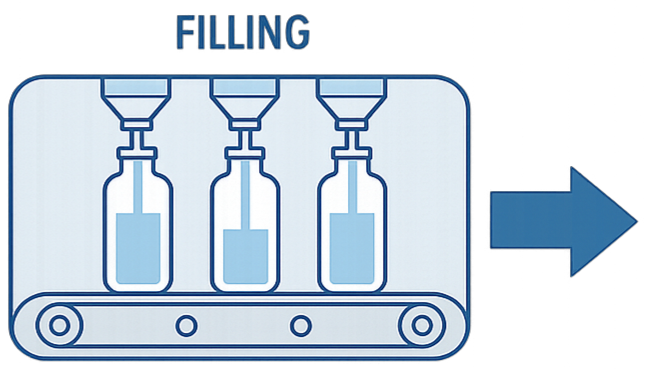
1. Filling: The Foundation
The right filler depends entirely on your product's "viscosity" (how thick or thin it is).
Low Viscosity Liquid: Thin fluids like water or spirits flow freely. Some slightly more viscous fluids like essential oils can flow freely when mild heat is added.
High Viscosity Liquid: Thick products like honey, creams, or heavy sauces move slowly and may sometimes need to be heated to flow properly. This also includes chunky liquids like hot sauce, pasta sauce, etc.
*HOT FILL - many food products are required to fill at high temperatures for proper pasteurization. All of the fillers we sell are designed with this capability.
Powders & Pellets: These require specialized auger or volumetric fillers to ensure you aren't "dusting" your workspace or wasting expensive ingredients.
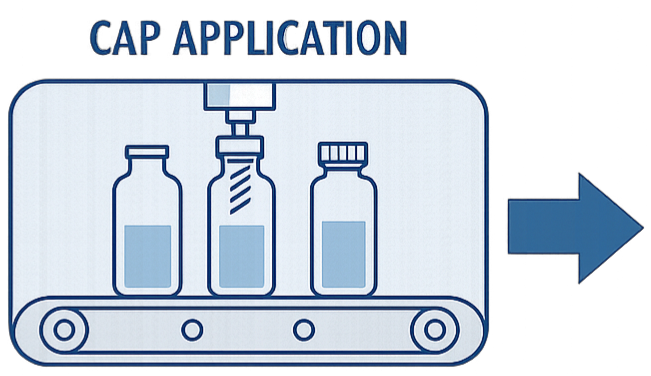
2. Capping & Sealing
This is the most technical and precise operation to automate, but its not as out of reach as you may think. Consistency is key here. For threaded, screw-on caps, over-tightening leads to cracked lids; under-tightening leads to leaks. Automation in capping ensures every container is sealed to the exact same torque. For bags, automatic sealers make the process simple and fast. From corks to child-proof caps, spray caps and droppers, there is a solution for every package.
3. Labeling: The "Face" of Your Brand
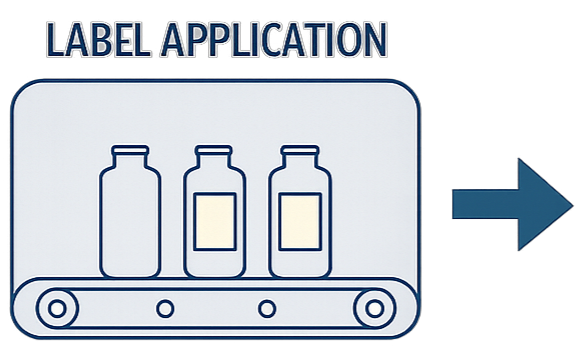
If you need to focus on one thing first, make it label application. Hand-labeling is miserable, time-consuming, and often results in crooked or bubbled stickers. A label applicator ensures a perfectly straight, wrinkle-free application every time, which is the single best way to ensure your product looks high-end.
( Endless Possibilities )
Don’t think of this as a rigid set of rules that everyone needs to follow, but as a general guideline for how things tend to evolve throughout the various growth stages in packaging. Your business, product and process is unique to you, and we’re here to help you achieve your goals, whatever they may be! If you’re not quite sure where you stand, just give us a call. We’ll figure it out together!
Essential Packaging Solutions
(718) 569-7854
Where Do I Begin?
We’ve broken down the best starting points into distinct "Levels" based on your current volume and budget.
Level 1 - Artisinal / Small-Batch
*Estimates only. Production levels and budget vary widely depending on equipment and type of product. These figures represent typical volume and recommended budget for small producers moving from fully handmade to regular, scaled production.
Your First Step in Automation
Perfect for small batches and artisanal producers moving away from fully manual work.
Filling:
Liquids:
Apex Tabletop Piston Filler - best option for thick and chunky products but compatible with thin liquids as well
Apex Tabletop Pump Filler - versatile for products with a range of viscosities with high precision
Powders: Per-Fil Micro-Filler - entry-level auger filler
Label Dispensing: Labelmate LD-100 - simply peels and presents the label for you. The most affordable option
Label Application:
Round Containers: Labelmate Bottlemate 910/910-2
Pouches / Bags: Versamate
Capping: Apex Hand Capper - simple, consistent torque with push-to-start feature
Click on the icons in each category for individual product pages
Volume
Botique
Up to ~5,000 units per month*
Budget
Lean
<$20,000*
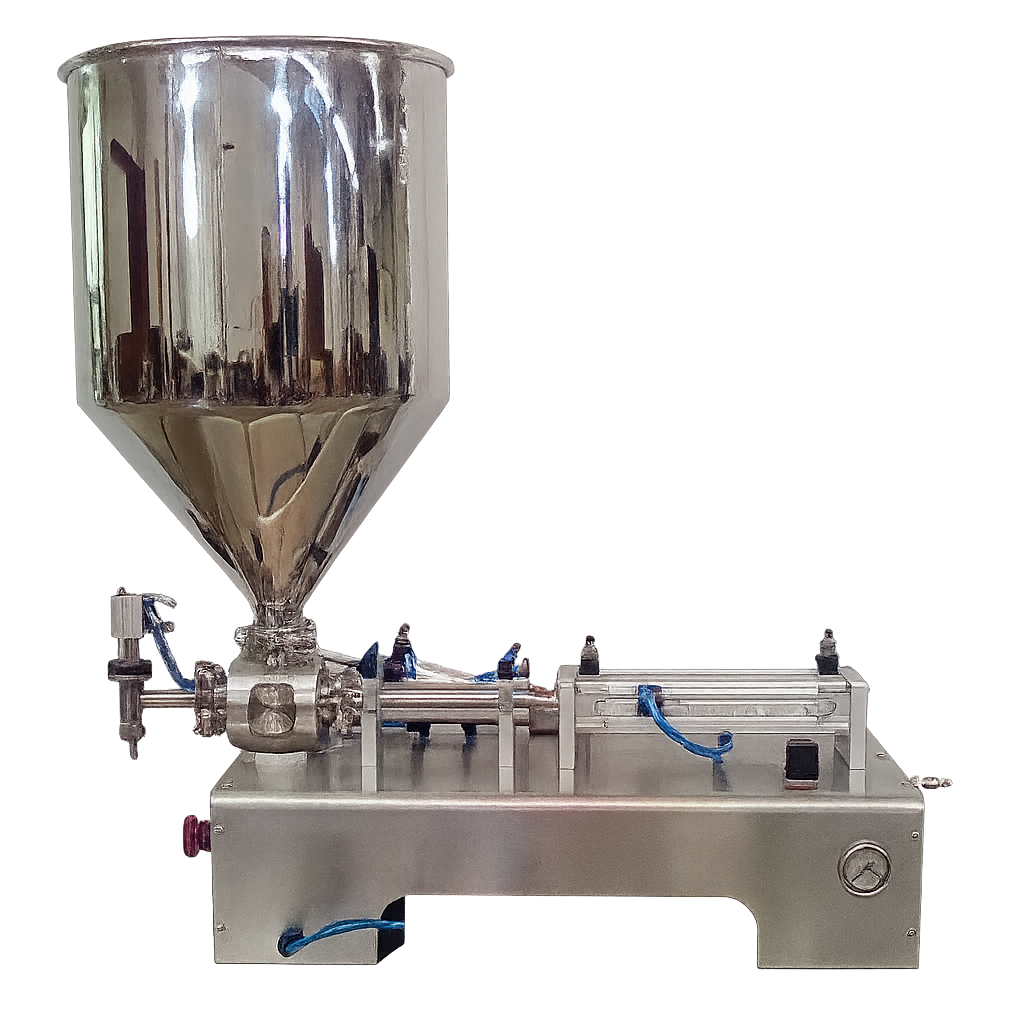
Apex TT Piston Filler
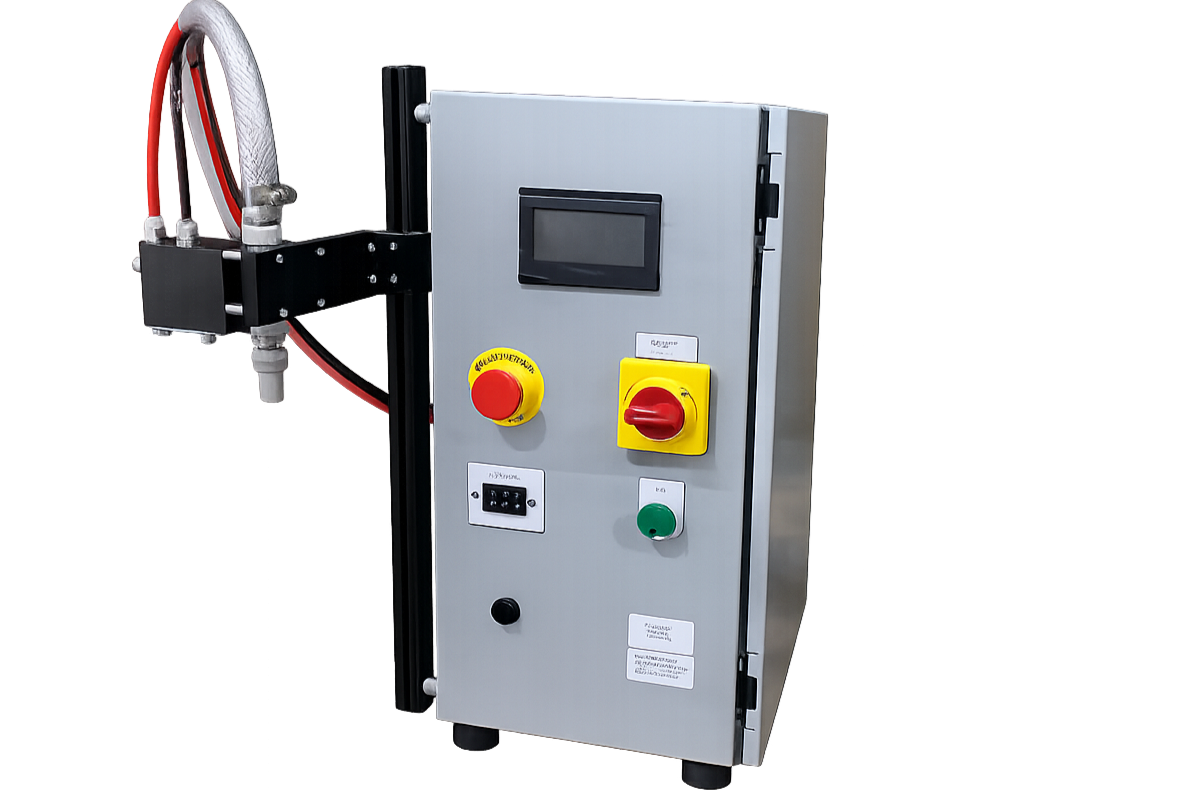
Apex TT Pump Filler
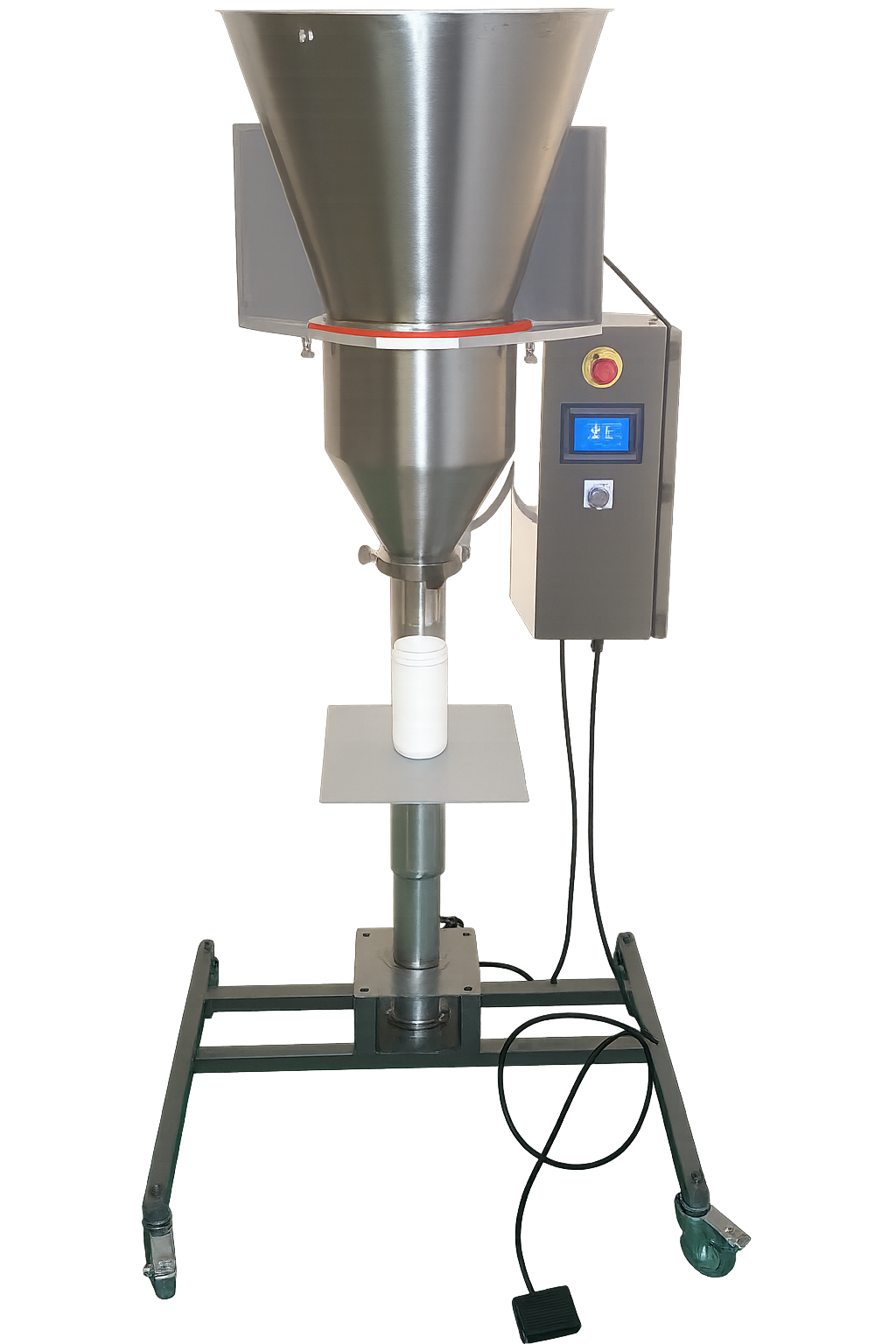
Per-Fil Micro
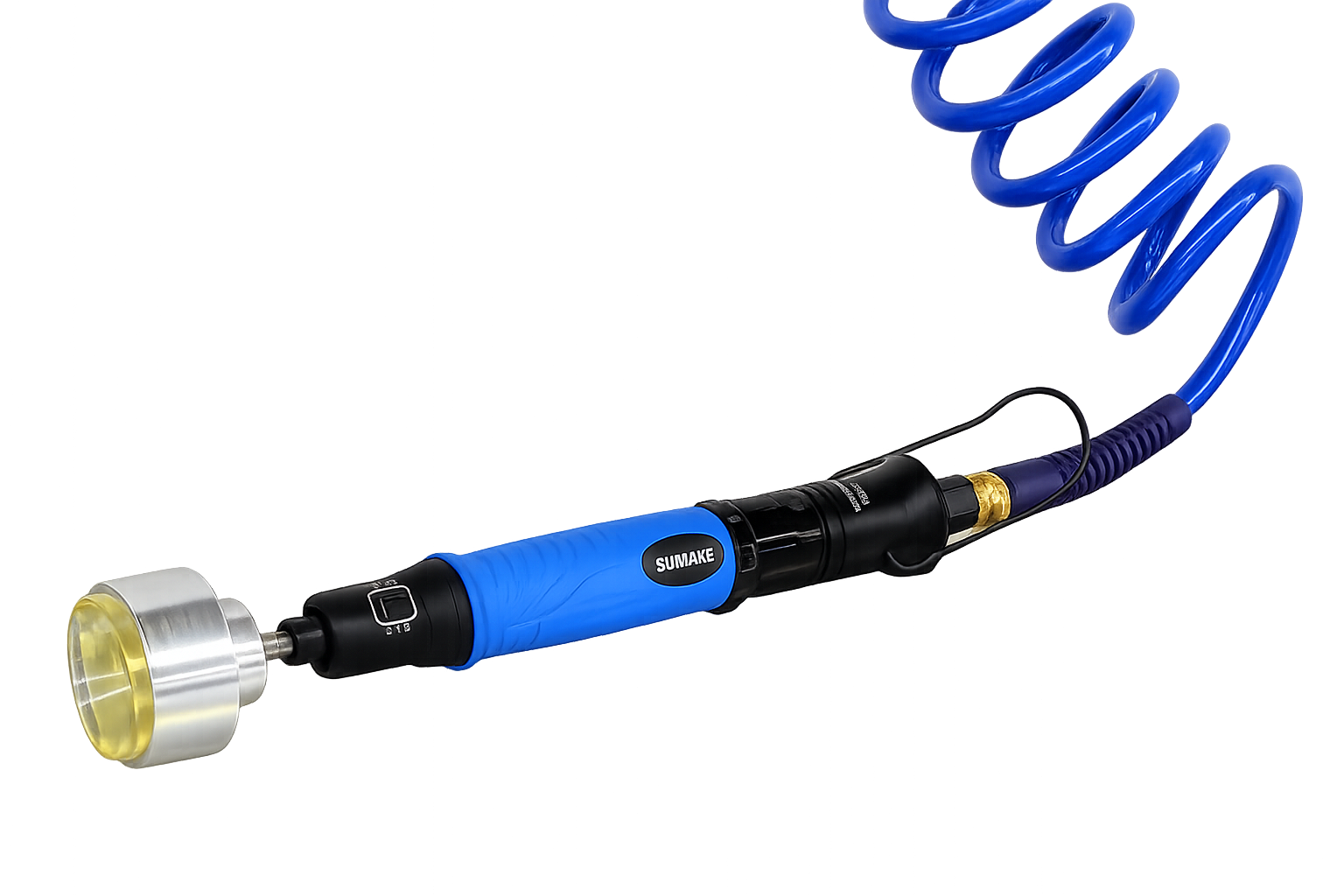
Hand Capper
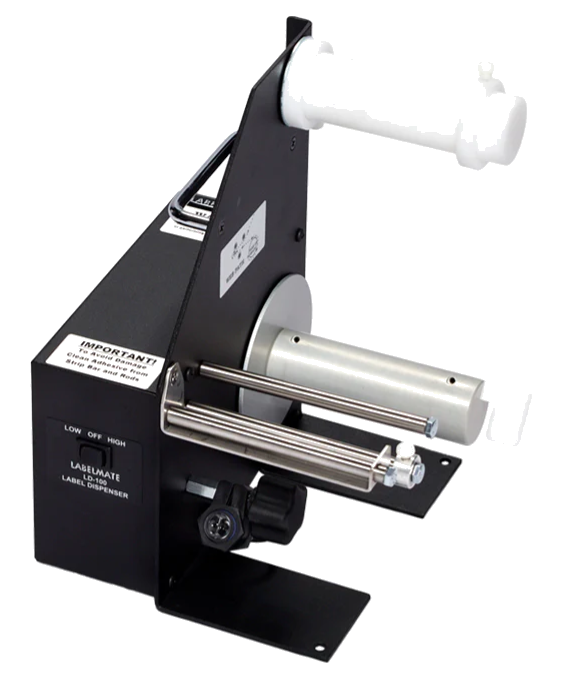
Label Mate LD-100
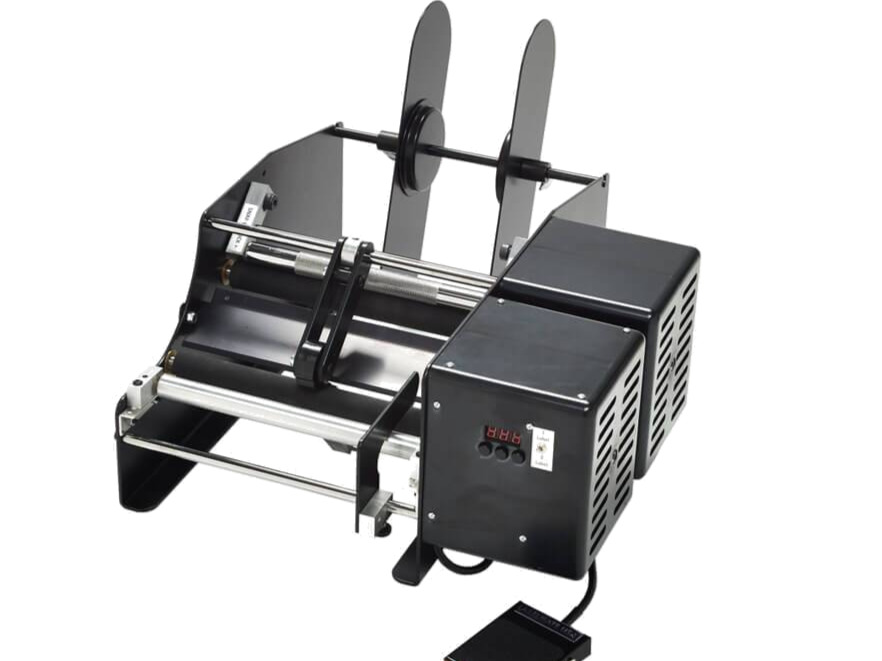
Bottlemate 910
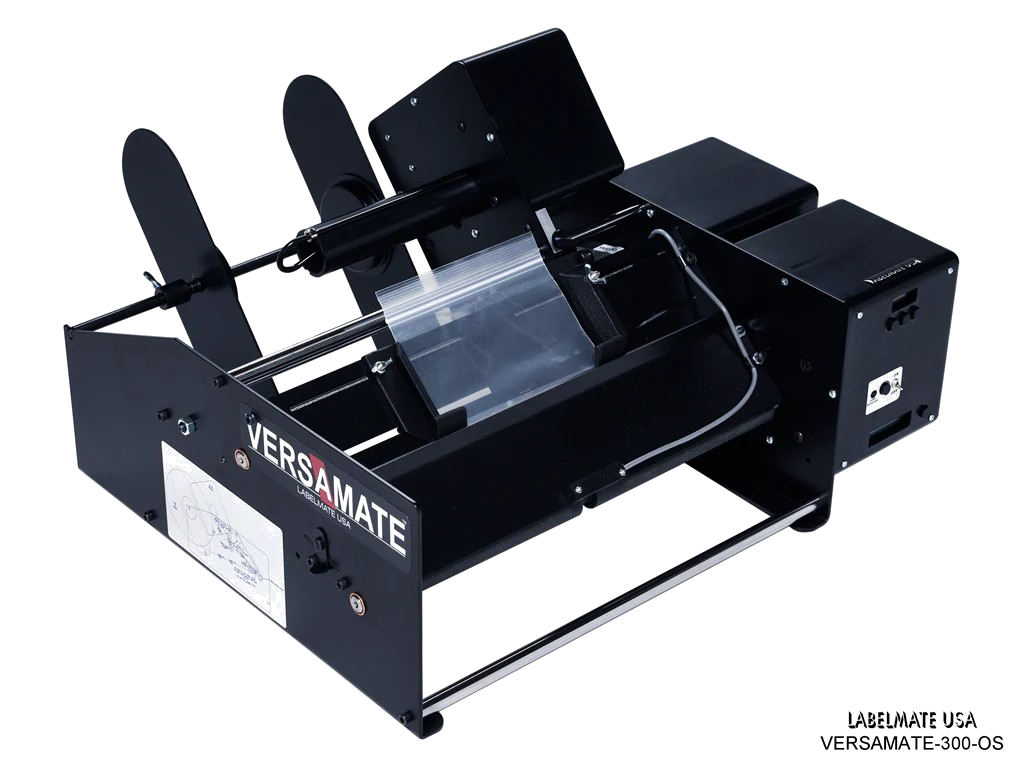
Versamate
Level 2 - Regional / Scaling
*Estimates only. Production levels and budget vary widely depending on equipment and type of product. These figures represent typical volume and recommended budget for medium-size producers ready to implement expandable automation for a multi-phase growth strategy
Fully Automated but Affordable
For producers who need to hit higher speeds and want the machines to do the heavy lifting.
Filling:
Apex Gravity Filler (Economy Version)
Ideal for thin-to-medium liquids, this filler has an economy version with 2-4 fill heads that can be mounted to a table and operated semi-automatically, or with an integrated conveyor for full automation. Start with the table-mounted version and add the conveyor at a later date for a multi-phase growth project!
Two-head piston filler for high or low viscosity
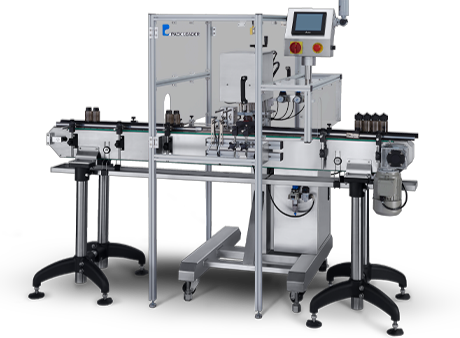
Capping: Pack Leader CP-10 - Available with and without the cap sorter / placer. Without it, the machine will tighten caps in-line after filling and requires an operator to place the caps. This is a great way to increase automation without breaking the bank. The cap placer can be added at any point!
Labeling:
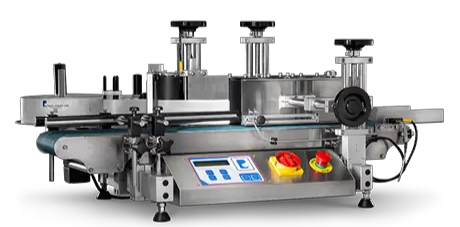
ELF-50 - Wrap-around labels for round containers
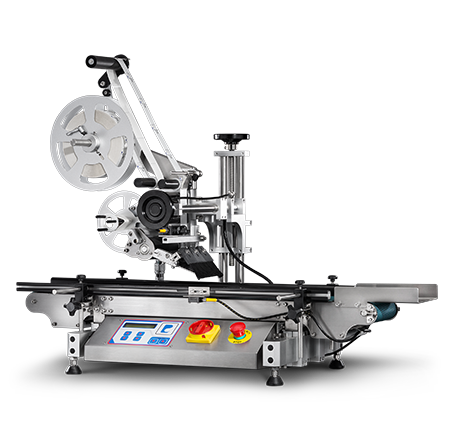
Pack Leader ELF-20 = Top labels for boxes/caps
Volume
High Demand
Up to ~30,000 units / month*
Budget
Growth
~$20,000 - $75,000*
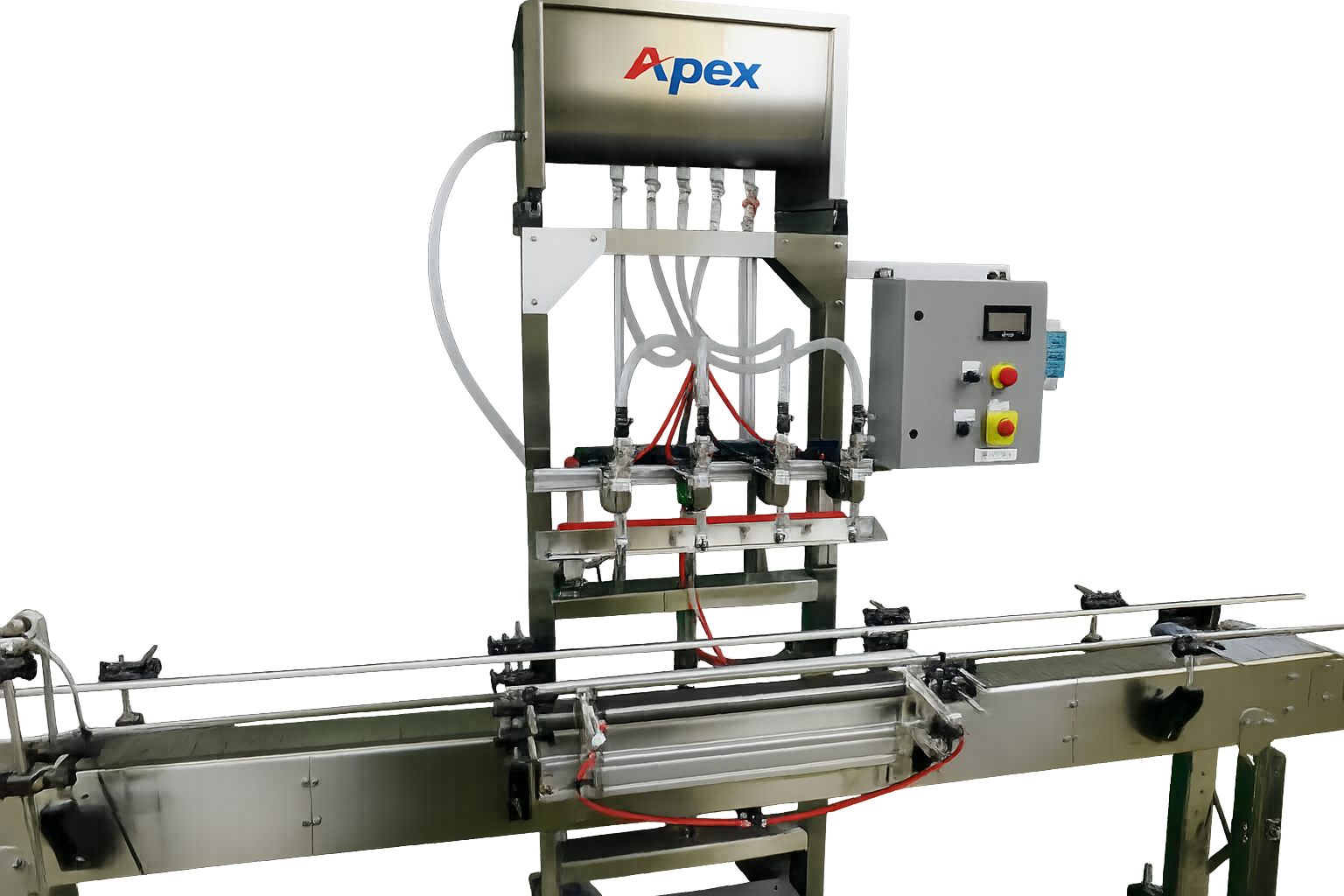
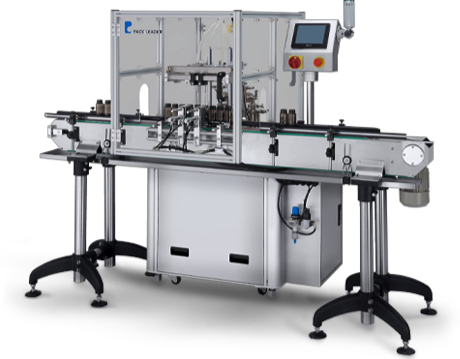
PL ELF-50
PL ELF-20
Level 3 and Beyond
*Estimates only. Production levels and budget vary widely depending on equipment and type of product. These figures represent typical volume and recommended budget for large producers who require end-to-end automation with high frequency packaging runs
End-to-End Automation
High speed with minimal human input, for producers with large-scale distribution and sizeable facilities
Filling
Apex Gravity Filler (Pro Version)
Capping
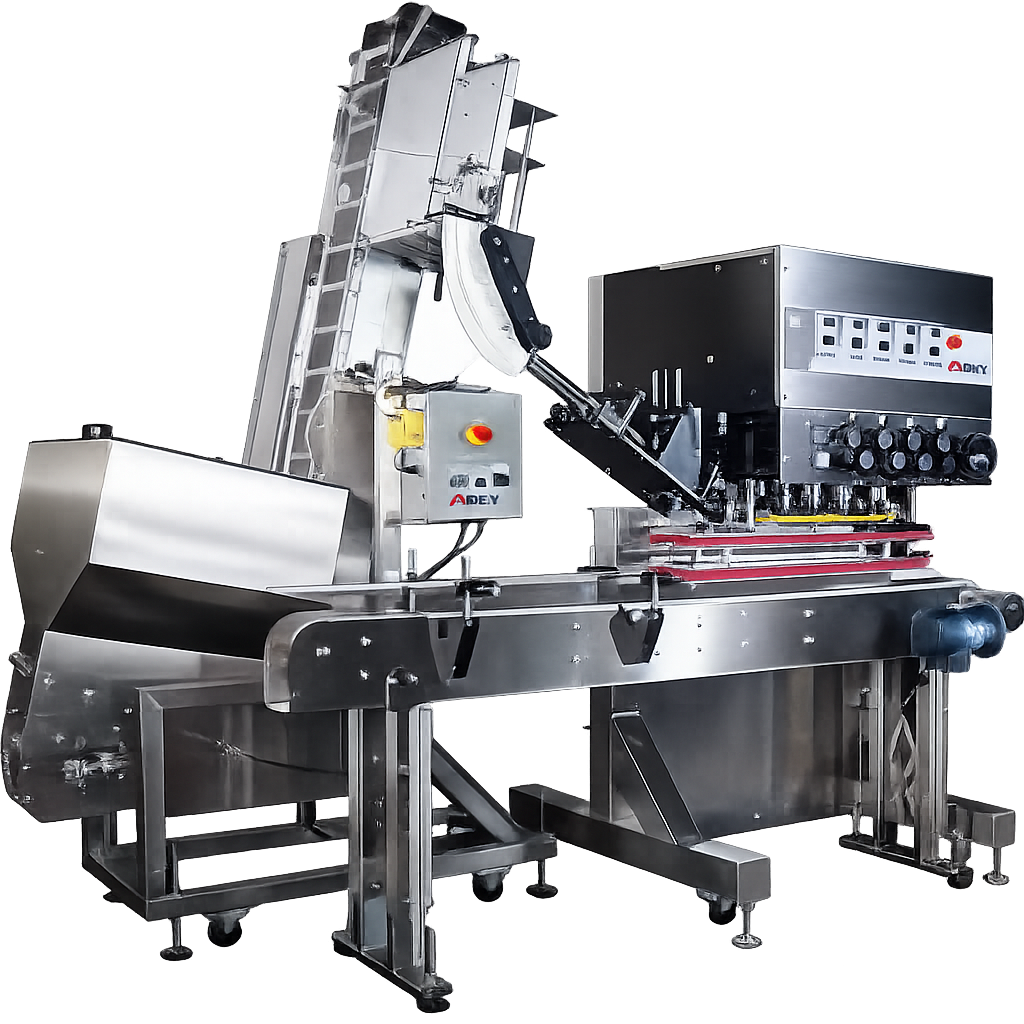
Pack Leader CP-10 with cap placer / applicator
Apex Spindle Tightener with cap placer / applicator
Labeling
Pack Leader PL501 - High Speed labelling for round containers
Other Automation
Date Coding - add date and lot codes for quality control
Depalletizing, Case Packing and other secondary packaging
These examples represent typical solutions for high-speed filling of liquids. We offer many more solutions that can be tailored to your product and needs. Contact us today for more info!
Volume
Industrial
50,000 Units / Month+*
Budget
Premium
>$100,000
PL ELF-50 (for small containers)
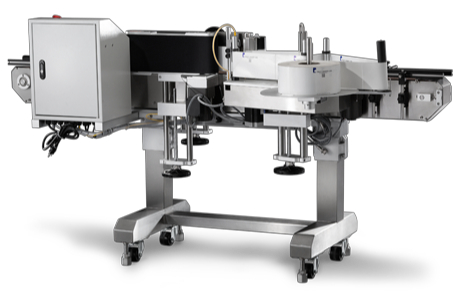
PL 501 (for larger containers)
Don’t Forget the Labels!
Equipment is only half the battle. We also provide high-quality custom labels in all materials and finishes—from waterproof BOPP to metallic foils. With our wholesale partnerships we are usually able to save our clients money by switching their label supply to us.
Let’s Build Your Line Together
Scaling up shouldn't be intimidating - we’re here to help! Reach out to us anytime, and we’ll dive in to identify the best solution for your specific product and goals.
Schedule an appointment below!